


IPLC | Indigenous Peoples and Local Communities


In the context of the global biodiversity agenda, the term IPLC refers to Indigenous Peoples and Local Communities. Their lands and territories are estimated to cover approximately 32% of the Earth’s land surface.
In recent years, biodiversity credits have gained increasing attention on the international agenda, emerging as a market-based mechanism to channel financial resources to stewards of natural areas who contribute to the conservation of biodiversity and the provision of ecosystem services. In this context, biodiversity credit projects in Indigenous territories present promising opportunities, but they may also give rise to important risks and challenges. It is essential to ensure that the entire biodiversity credit generation process in these territories is carried out in compliance with applicable legal requirements, guaranteeing that assessments are conducted in a appropriate and transparent manner. Furthermore, the use of robust and context-specific indicators is critical to verify that these areas are delivering the intended biodiversity conservation outcomes.
Workshop: “Developing Recommendations and a Risk Map to Improve the Implementation of Biodiversity Credit Projects for IPLCs”.
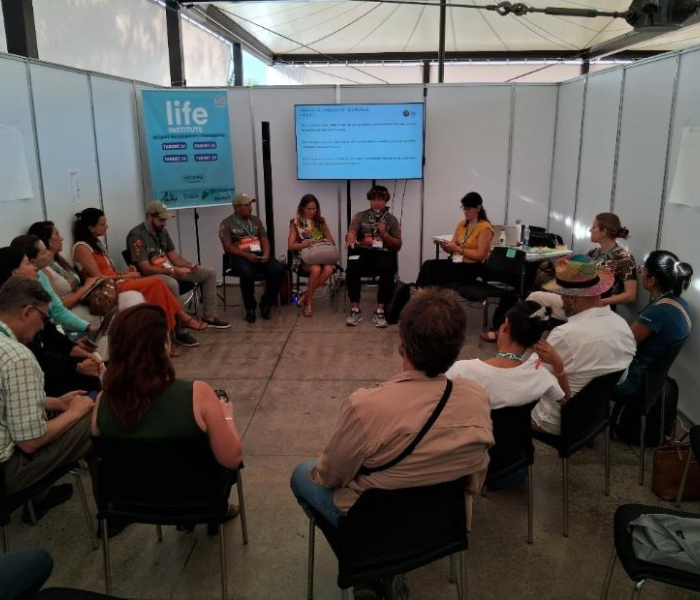
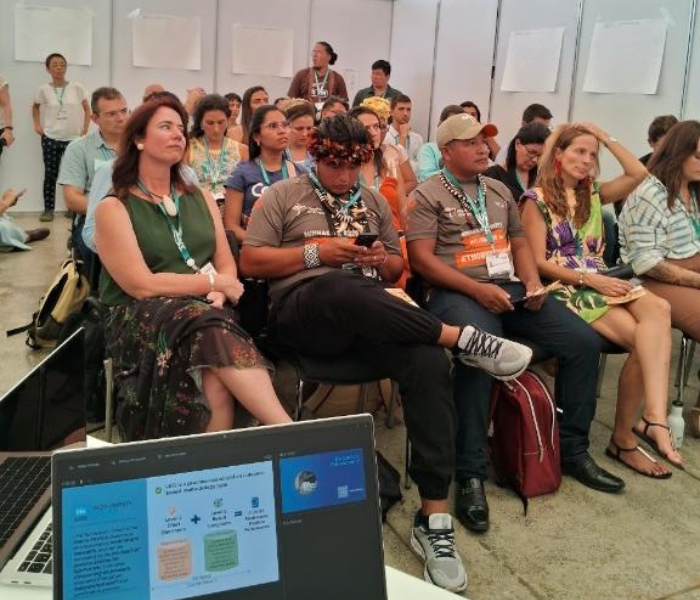
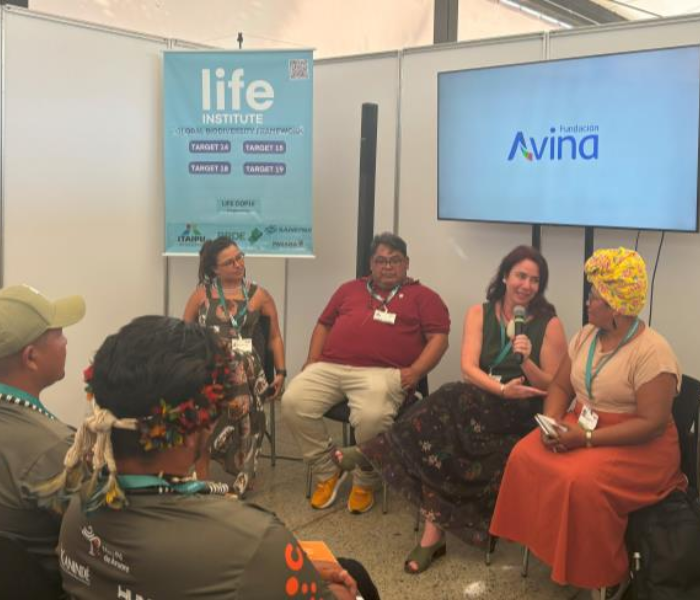
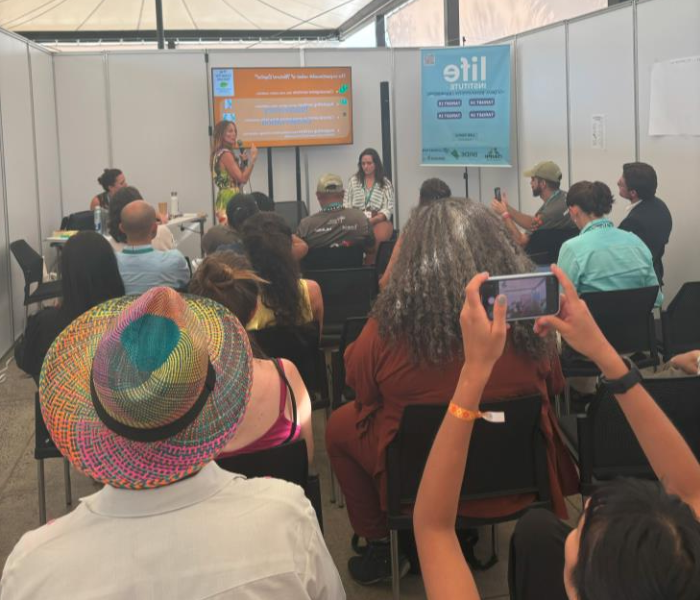
As a key milestone in advancing this agenda, the LIFE Institute coordinated a consultative and collaborative process in 2024.
The workshop took place on October 24, 2024, at the Exchange Center (Place Quebec), within the Valle del Pacífico Event Center, in the Blue Zone of COP16, in Cali, Colombia. Organized by the LIFE Institute in partnership with the Avina Foundation, the event brought together representatives of Indigenous Peoples—including members of the Parintintin people and the Coordination of Indigenous Organizations of the Brazilian Amazon (COIAB)—as well as representatives from the financial sector, including TER Investimentos and Xau Conservation. Approximately 40 participants attended the workshop, including leaders from local communities, civil society organizations, and financial institutions.
Designed to foster meaningful and equitable dialogue among diverse stakeholders, the initiative reinforced the inclusion of Indigenous Peoples and Local Traditional Communities (IPLCs) in the emerging nature credits market. The resulting assessment identified the principal risks and opportunities associated with implementing biodiversity credit projects in these territories and laid the foundation for a set of preliminary recommendations aimed at strengthening safeguards and enhancing collaboration between traditional communities and financial investors.