

IPLC | Indigenous Peoples and Local Communities

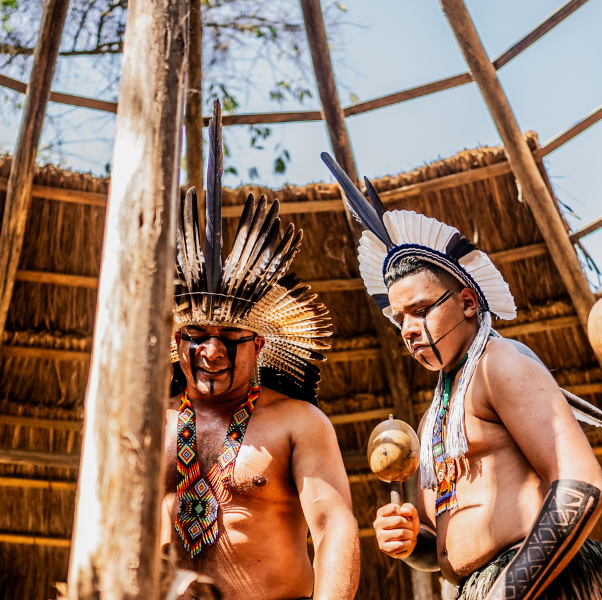
In the context of the global biodiversity agenda, the acronym IPLC refers to Indigenous Peoples and Local Communities. It is estimated that their lands and territories cover approximately 32% of the planet’s land surface.
Recently, biodiversity credits have gained prominence on the international agenda, emerging as a market instrument for channeling resources to landholders of natural areas that ensure the maintenance of biodiversity and ecosystem services. In this sense, the involvement of IPLCs with this topic brings promising opportunities, but it may also pose associated risks.
This new opportunity must respect local traditions and knowledge, avoiding processes of cultural dispossession. It is necessary to ensure that communities are not exploited by external actors through abusive practices and that benefits are distributed fairly. Contracts and information related to biodiversity credits must be understandable to communities, and community agreements on the use of resources must be carried out inclusively and participatively.
It is essential to guarantee that the entire process of generating biodiversity credits by IPLCs respects the legislation governing the rights to Indigenous Lands in each country, ensuring the feasibility analysis of rights to credits. Finally, it is necessary to ensure that the assessment for generating biodiversity credits is conducted properly and transparently, supported by technical and scientific indicators that confirm that the areas where credits are being generated deliver the expected results for biodiversity conservation.
It is crucial that biodiversity credit projects are developed in a participatory manner, respecting the rights and autonomy of Indigenous peoples and traditional communities. Therefore, enabling the involvement of these actors and the associations that represent them in the development of specific regulations for biodiversity credits in their territories is fundamental to ensuring that biodiversity credit projects are fair, effective, and sustainable over time.
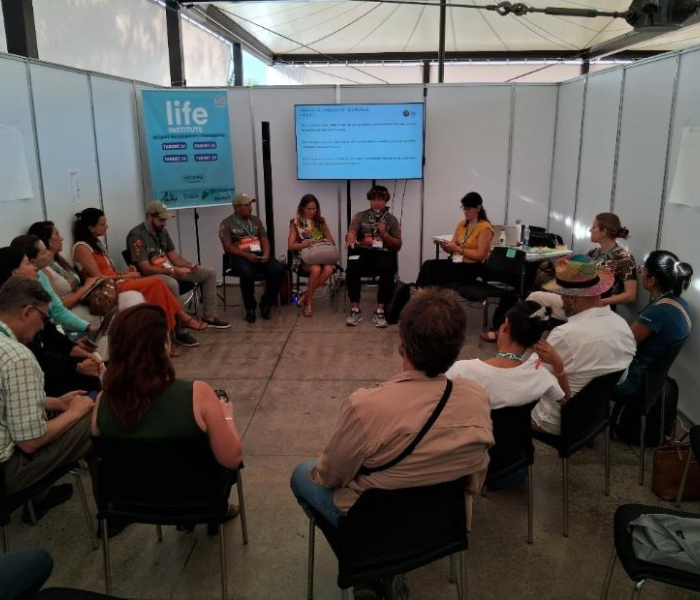
Workshop: “Developing Recommendations and a Risk Map to Improve the Implementation of Biodiversity Credit Projects for IPLCs”.
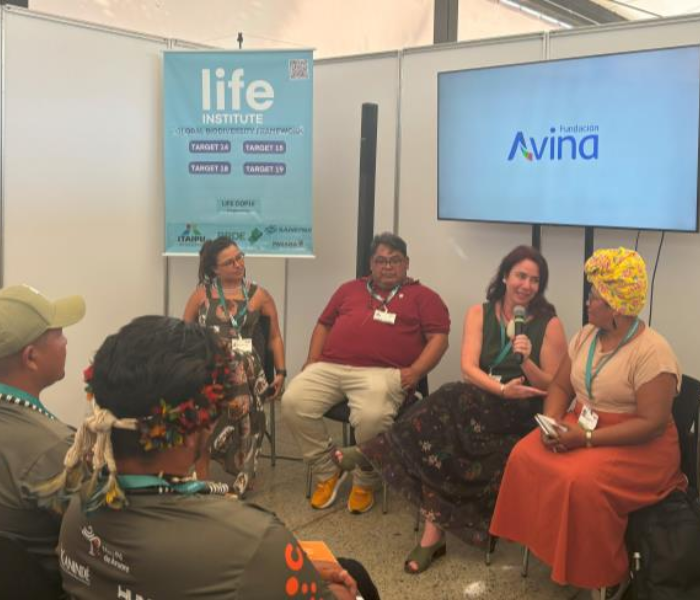
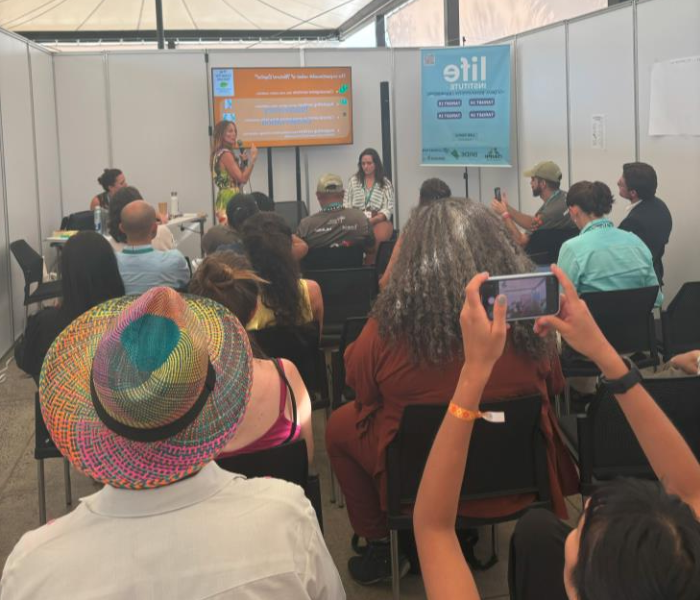
With over 17 years of expertise in biodiversity metrics, the LIFE Institute plays a leading role in establishing objective criteria for the certification of biodiversity credits in Indigenous Peoples’ and Local Traditional Communities’ (IPLCs) territories.
As a key milestone in advancing this agenda, the LIFE Institute coordinated a consultative and collaborative process in 2024.
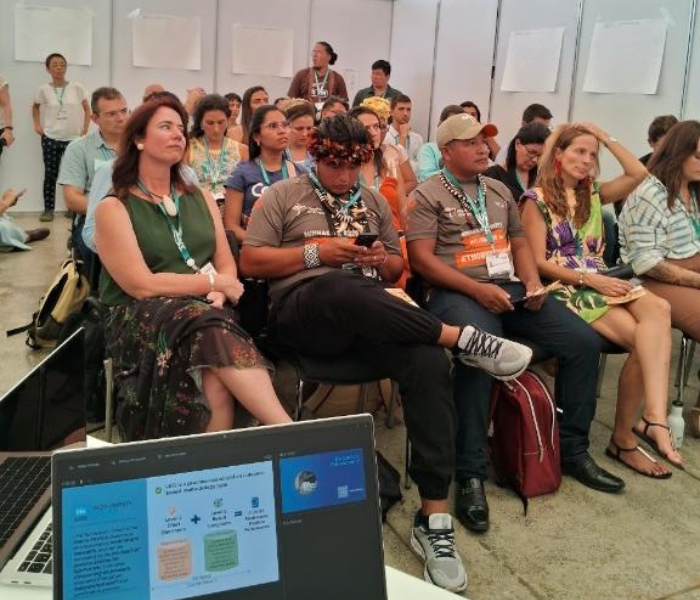
The workshop took place on October 24, 2024, at the Exchange Center (Place Quebec), within the Valle del Pacífico Event Center, in the Blue Zone of COP16, in Cali, Colombia. Organized by the LIFE Institute in partnership with the Avina Foundation, the event brought together representatives of Indigenous Peoples—including members of the Parintintin people and the Coordination of Indigenous Organizations of the Brazilian Amazon (COIAB)—as well as representatives from the financial sector, including TER Investimentos and Xau Conservation. Approximately 40 participants attended the workshop, including leaders from local communities, civil society organizations, and financial institutions.
Designed to foster meaningful and equitable dialogue among diverse stakeholders, the initiative reinforced the inclusion of Indigenous Peoples and Local Traditional Communities (IPLCs) in the emerging nature credits market. The resulting assessment identified the principal risks and opportunities associated with implementing biodiversity credit projects in these territories and laid the foundation for a set of preliminary recommendations aimed at strengthening safeguards and enhancing collaboration between traditional communities and financial investors.
Parintintin Biocredits Project in Amazonas
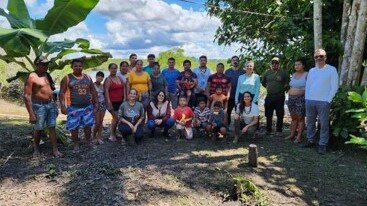
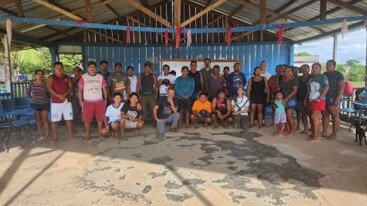
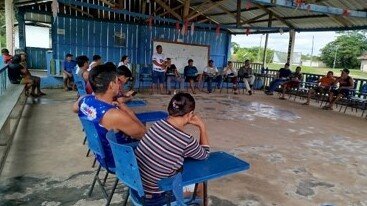
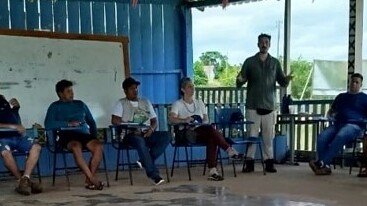
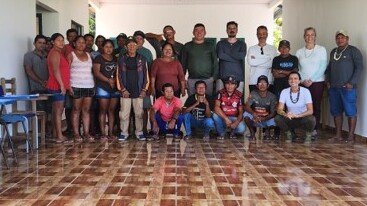
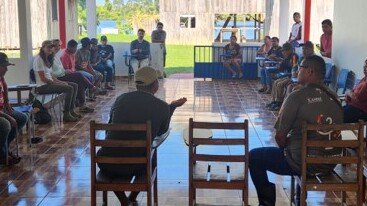
As part of its efforts to deepen its understanding of the realities of Indigenous territories, applying the LIFE Business and Biodiversity Methodology, the LIFE Institute conducted a technical visit in August 2025 to monitor the fieldwork of the Parintintin Biocredits Project, carried out by INCARBON through a study supported by CNPq (Grant Agreement No. 44356/2024-0). The LIFE representative at the meeting was Technical Consultant Marcos Lorenzon, who participated as an observer in an agenda that also included representatives of FUNAI.
The delegation was welcomed by leaders of the Parintintin ethnic group, represented by Joel Joveliano, from the Organization of the Parintintin Indigenous People of Amazonas (OPIPAM), and Tiago Castelano, Coordinator of the Association of the Parintintin People of the Ipixuna Indigenous Territory (APPTI). Direct dialogue with local leaders was the central focus of the visit, providing an in-depth understanding of the dynamics of the territory and the importance of conservation from the perspective of those who protect the forest.
This participation is part of the LIFE Institute’s ongoing efforts to strengthen engagement with Indigenous Peoples and Local Communities (IPLC). For the Institute, the development of biodiversity metrics and nature credits can only achieve legitimacy when holders of traditional knowledge are at the center of the process.
Next Steps
Closely following the reality of Indigenous territories is essential to ensure that the specific standards we are developing reflect conditions on the ground and safeguard the maintenance of ecosystem services.
The LIFE Institute reaffirms its commitment to expanding participatory processes at both national and international levels. We continue to seek the support of partner organizations to ensure that the development of standards for Indigenous territories has the credibility and transparency necessary to transform conservation into an asset of global value.
Guiding principles of this work
Respect and Inclusion
Engaging Indigenous communities from the outset ensures that their traditional knowledge and cultural practices are respected and integrated into the project. This also fosters an inclusive and collaborative approach.
Model Validation
Validating the effectiveness and feasibility of the biodiversity credit model in a real-world context through pilot application. This helps identify potential issues and make necessary adjustments before large-scale implementation.
Capacity Building and Empowerment
The participation of Indigenous communities in the pilot process strengthens their capacities and empowers them to manage and benefit from conservation projects.
Risk Minimization
Pilot tests help identify and mitigate potential risks, such as conflicts of interest, adverse environmental impacts, and social justice issues, ensuring that projects are sustainable and equitable.
Transparency and Trust
Broadly involving Indigenous communities in the pilot promotes transparency and helps build trust among all stakeholders, increasing acceptance and project success.
Economic and Social Benefits
A successful project can generate direct economic benefits for communities, such as revenues from the sale of biodiversity credits, while improving social well-being and environmental conservation.
Official Recognition of Territories
Ensuring alignment of the territory with the IUCN Protected Area Management Categories System or a similar system approved by local legislation.